Last updated: August 19, 2026
Why Cultural Fluency Matters More Than Charm
Most friction in Slavic dating comes from mismatched expectations, not mismatched people. Two adults can want the same thing — a serious, permanent relationship — and still lose each other because one of them is reading the other through the wrong cultural script. Slavic dating culture rewards clarity, consistency and depth; Western dating habits often reward volume, ambiguity and easy banter. Those two systems do not translate cleanly.
Here is the practical consequence: intent is not judged by what you say about yourself, it is judged by whether your behaviour stays the same from week to week. Reliability — doing exactly what you said you would do, when you said you would do it — is treated as the number-one trust signal in Slavic dating. A fixed weekly video call at an agreed hour communicates more seriousness than any paragraph of compliments, and ad hoc, whenever-I-feel-like-it messaging reads as a lack of commitment even when none is intended.
Nothing in this guide requires money or a passport stamp. It requires attention. Once you understand the pace, the conversational norms and the role of family, the rest of it becomes straightforward — and you can browse verified Slavic profiles with a much better sense of what a good first message actually looks like.
Key Cultural Differences to Expect
Four differences account for most early misunderstandings: how fast courtship moves, how deep conversation is expected to go, how early family enters the picture, and how everyday attentiveness is interpreted.
-
Courtship moves faster
Exclusivity is typically expected after three to five serious dates, and marriage is openly discussed within six to twelve months. That is not pressure; it is respect for both people’s time. Men who state long-term intentions early tend to fare better — something you will see repeatedly in Ukrainian dating.
-
Conversation depth is the standard
Slavic women are among the most educated and sophisticated partners you will meet — doctors, accountants, engineers and academics who enter international dating from personal strength and cultural curiosity, not desperation. Expect to be asked real questions, and expect your answers to be remembered.
-
Family enters the conversation early
Parents are consulted, not informed after the fact. Her family’s impression of you is part of the decision she makes about you, so questions about your parents, your children and your home life are sincere interest rather than an interrogation.
-
Attentiveness is read as character
Opening a door, carrying a bag, remembering a name day or an exam date — these small acts are read as evidence of how you will behave in a marriage, not as performance. Consistency matters far more than grand gestures.
How Slavic Women Communicate
In Eastern Europe, “How are you?” is a question, not a greeting. Answer it properly and the conversation begins.
Small talk is culturally atypical in Eastern Europe. Where an American conversation might warm up through ten minutes of pleasant nothing, a Slavic woman treats “How are you?” as a genuine inquiry that deserves a real answer. Depth and directness are expected from the very first video call, and staying at the surface tends to signal disinterest or immaturity rather than politeness.
Let’s break this down. Directness runs both ways: she will tell you plainly what she thinks, including when she disagrees, and she expects you to do the same. Vagueness about your intentions is not read as keeping options open — it is read as having nothing to offer. Say what you are looking for, say it early, and then behave in a way that matches it week after week.
Underneath this sits dusha — soul — a concept inherited from Orthodox Christianity and Slavic folklore. Dusha describes love as something with emotional depth, endurance and transcendent meaning rather than mere compatibility and convenience. It explains a pattern that surprises many Western men: Slavic women are profoundly loyal once trust is established, and intensely discerning about whom they trust in the first place.
That discernment is also why heavy, early flattery works against you. Scripted compliments and rapid declarations of love resemble the exact behaviour she has been taught to screen for, which is worth understanding before you write — our guide to spotting red flags in online dating covers the same signals from the other direction.
Family Is Not a Later Conversation
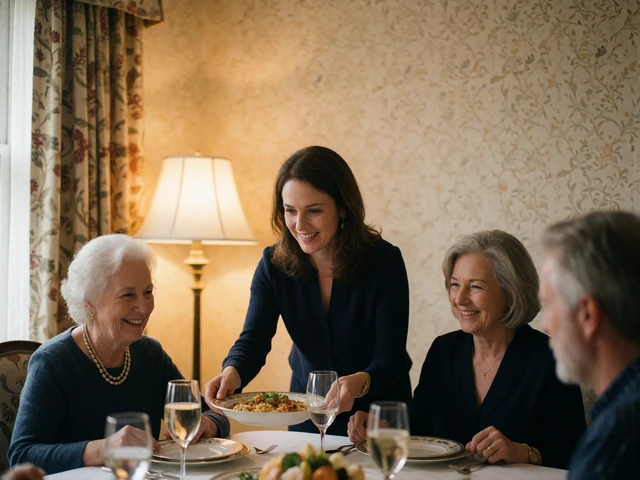
Meeting her family is considered the most important milestone in Slavic courtship, and it is treated with corresponding formality. The expected etiquette is simple and worth learning in advance: arrive with premium wine or spirits, quality chocolates, and a small thoughtful gift for her mother. Once you are at the table, accept every dish offered, compliment the cooking, and show genuine interest in family stories — the older generation’s history is usually the heart of the evening. Parental approval is not a formality to be endured; it is a real part of how the relationship is decided.

Bring Cultural Awareness to Your First Message
Three habits carry almost all of the weight. Be reliable: pick a weekly call time and protect it. Be direct: state what you want from the relationship instead of hinting at it, and answer her real questions with real answers. Be respectful of family: ask about her parents early, and treat an eventual introduction as the milestone it is rather than an obstacle to get past.
Do those three things consistently and the rest of Slavic dating culture stops feeling foreign. When the conversation moves from screens to an actual meeting, our guide to first date etiquette in Eastern Europe covers the in-person follow-through — flowers, chivalry and what she will be quietly noticing.
How to Date a Slavic Girl?
How to date a Slavic girl?
Date her with stated intent and a fixed rhythm. Say early that you are looking for a serious relationship, hold a weekly video call at an agreed time, answer her questions with real substance rather than small talk, and treat her family as part of the relationship. Reliability is the strongest trust signal in Slavic dating culture.
What are Slavic girls known for?
Education, family orientation and directness. Many Slavic women are professionals — doctors, accountants, engineers, academics — who approach international dating from personal strength and cultural curiosity rather than desperation. They are also known for deep loyalty once trust is earned, and for being highly selective about earning it.
What is considered a Slavic woman?
A Slavic woman comes from a country whose native language belongs to the Slavic family, including Ukraine, Poland, Czechia, Slovakia, Bulgaria, Russia and Belarus. In practice the term is used for the wider Eastern European region, which is why Romanian, Hungarian and Moldovan women share much of the same courtship and family culture.